EN

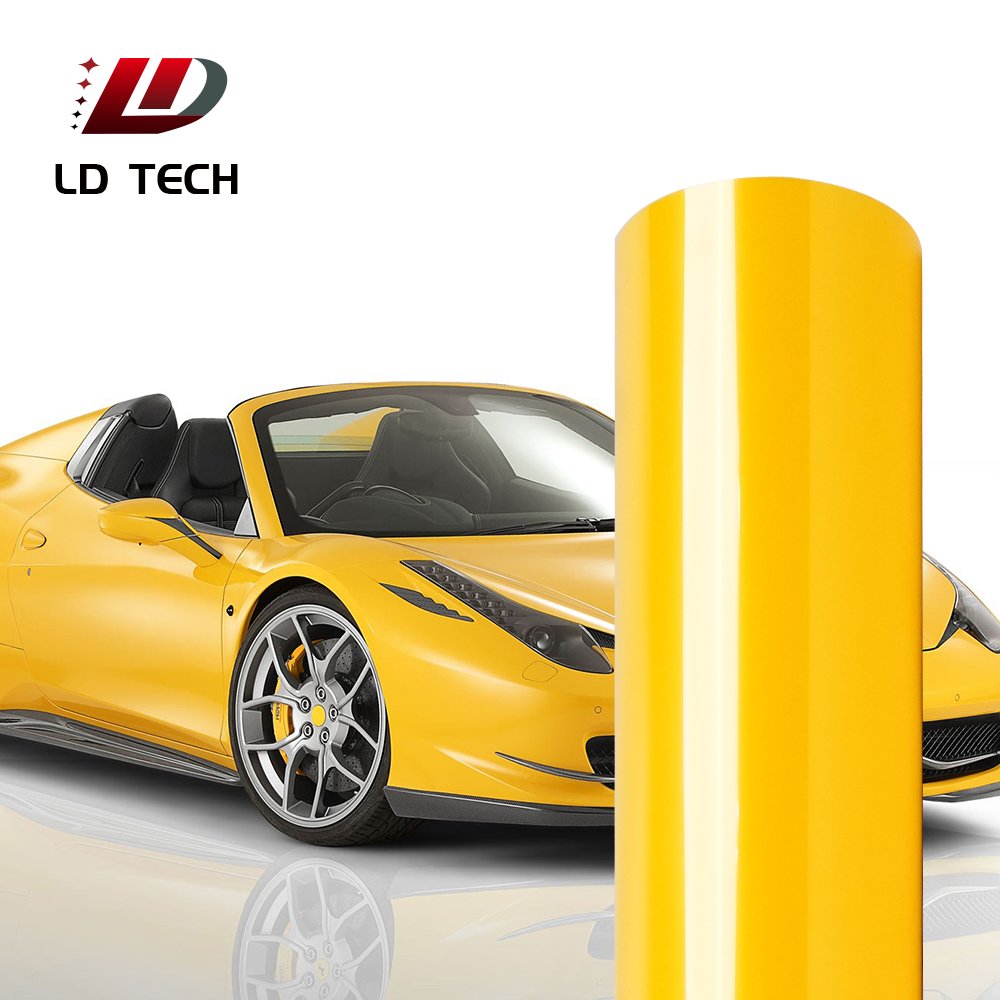
Why Vehicle Wraps Car Wholesale Drives Profitability for Auto Shops
Auto modification shops face thinning margins on mechanical and detail work. Vinyl wrap services offer a distinct cost structure: sourcing vehicle wrap materials at wholesale rates cuts per-job vinyl and laminate expenses, while retail service pricing for color changes, paint protection, and advertising graphics remains strong. This margin spread—between low wholesale input costs and premium installed-service revenue—can lift gross profit per bay hour above typical accessory work.
Wholesale purchasing also improves cash flow. Installers order full or partial rolls in standard widths instead of stocking numerous pre-cut kits, using only what each project requires and preserving working capital for other shop priorities. Unlike paint booths or body repair equipment, wrap installation demands minimal tooling investment—making it financially accessible for small and mid-size shops.
The revenue impact compounds with repeat commercial clients. A single wrapped vehicle generates an estimated 30,000–70,000 daily impressions (Outdoor Advertising Association of America). Local fleet operators, contractors, and delivery services often need consistent branding across multiple vehicles—creating project-based or retainer work that smooths seasonal demand. By positioning wholesale-sourced wraps as a managed brand rollout service, auto shops convert one-time installs into recurring revenue and referral pipelines.
Vehicle Wraps Car Materials: Cast vs. Calendered Vinyl for Commercial Installers
Choosing the right vehicle wrap material directly affects finish quality, labor time, and long-term client trust. Cast vinyl is produced by casting liquid polymer onto a release liner; calendered vinyl is formed by rolling heated solid compound through precision rollers. Commercial installers should select based on surface complexity, durability expectations, and job profitability—not roll price alone.
Performance, Durability, and Installation Efficiency Compared
Cast film conforms effortlessly to curves, rivets, and deep recesses, with memory-free stretching that minimizes lifting and rework. Calendered film is stiffer and more prone to shrinkage, thinning, or bubbling on contoured panels. Durability follows a clear hierarchy: cast wraps typically last 5–7 years, while calendered wraps often degrade after 1–3 years due to fading or edge failure. Installation efficiency differs accordingly—cast vinyl accelerates curved-surface application and lowers labor risk; calendered vinyl works well on flat surfaces and simple partial wraps but demands greater care on contours.
| Factor | Cast Vinyl | Calendered Vinyl |
|---|---|---|
| Conformability | Excellent, memory-free | Limited, may shrink or thin |
| Typical lifespan | 5–7 years | 1–3 years |
| Best use | Full wraps, complex contours, long-term protection | Flat surfaces, short-term decals, budget fleet trailers |
| Installation risk | Lower on complex surfaces | Higher on curves, may bubble |
For commercial installers, cast vinyl often delivers lower total service cost on full vehicle wraps—even with higher material cost—by reducing rework and warranty callbacks. Calendered vinyl remains a strategic choice for cost-sensitive partial wraps and large-format flat applications like commercial trailers.
Vehicle Wraps Car Applications That Expand Shop Revenue Streams
Shops can grow revenue by offering vehicle wrap formats beyond full color changes. With each wrapped vehicle generating 30,000–70,000 daily impressions (Outdoor Advertising Association of America), application variety becomes a practical, high-impact upsell for auto modification businesses.
Full, Partial, and Spot Wraps Aligned with Shop Capacity and Client Demand
Full wraps cover the entire vehicle and maximize advertising space and aesthetic transformation—ideal for clients seeking complete brand coverage or dramatic color changes. Partial wraps cover half to two-thirds of the vehicle, offering a lower-cost entry point and faster turnaround. Spot wraps focus narrowly on logos, contact information, or key messaging—perfect for local service businesses with tight budgets and defined delivery routes. Offering all three tiers allows shops to match production capacity to client demand: full wraps absorb longer labor blocks, while partial and spot wraps fill gaps during slower periods and maintain steady revenue flow.
Fleet Branding and Commercial Advertising as High-Margin B2B Services
Fleet branding transforms company vehicles into scalable, high-margin B2B projects. Commercial clients ordering multiple units benefit from design reuse and standardized installation workflows—reducing per-vehicle overhead and boosting shop profitability. E-commerce and last-mile delivery growth continue to drive demand for wrapped vans, trucks, and cargo trailers. Because wrapped vehicles serve as non-intrusive, route-based advertising, shops can bundle design, installation, and maintenance contracts—creating recurring revenue beyond one-off retail jobs. Offering fleet audits, phased rollouts, priority scheduling, and optional on-site installation strengthens retention and positions the shop as a strategic marketing partner. While high-volume fleet work often leverages cost-efficient calendered vinyl, consistency in execution and service delivery builds long-term brand equity and repeat business.
Optimizing Margins: Balancing Premium Vehicle Wraps Car Quality and Shop Economics
Profitability in vehicle wrap services depends less on undercutting competitors on price and more on aligning material selection with project scope, client goals, and shop capabilities. Premium cast films carry higher upfront material costs—but significantly reduce rework, conformability failures, and warranty callbacks on complex surfaces. Shops that standardize cast vinyl for full commercial wraps or specialty applications routinely sustain gross margins of 40–55%. In contrast, calendered wraps on flat surfaces—such as trailer sides or signage panels—typically hold margins between 25–35% (2023 installer economics data). Labor remains the largest cost variable: a 20-hour full wrap at $80 per shop hour adds $1,600 in labor cost before materials.
To protect and scale margins, installers should adopt a tiered pricing strategy: premium cast for long-term fleet branding and high-visibility work; mid-range calendered for short-term promotions or budget-conscious clients; and clear paint protection film (PPF) as a complementary upsell. This approach avoids over-engineering low-budget jobs—and under-delivering on high-stakes projects. Tracking material waste below 12% per project, using panel templates for consistent quoting, and standardizing color libraries and prep protocols further improve predictability. A balanced portfolio lets shops capture entry-level clients without diluting the premium reputation required to sustain higher-margin work.
FAQ
Why should auto shops consider vehicle wraps as a key service?
Vehicle wraps offer a high-margin revenue stream by leveraging wholesale pricing for materials and charging premium prices for services like color changes, paint protection, and advertising graphics. They often result in higher gross profits compared to traditional accessory work.
What is the difference between cast and calendered vinyl?
Cast vinyl is more flexible, durable, and ideal for complex surfaces with curves and contours, lasting 5–7 years. Calendered vinyl is less conformable, works best on flat surfaces, and generally lasts 1–3 years.
How do vehicle wraps generate impressions?
A single wrapped vehicle can generate 30,000–70,000 daily impressions, turning it into a powerful advertising tool for businesses and fleet operators.
What are the revenue opportunities with vehicle wraps?
Revenue opportunities include full, partial, and spot wraps as well as high-margin B2B services like fleet branding and commercial advertising. Bundling design, installation, and maintenance contracts creates recurring revenue.
How do shops protect margins while offering vehicle wraps?
Shops can protect margins by aligning material selection with project requirements, adopting a tiered pricing strategy, tracking material waste, and offering paint protection films as an upsell to budget-conscious clients.