EN
EN

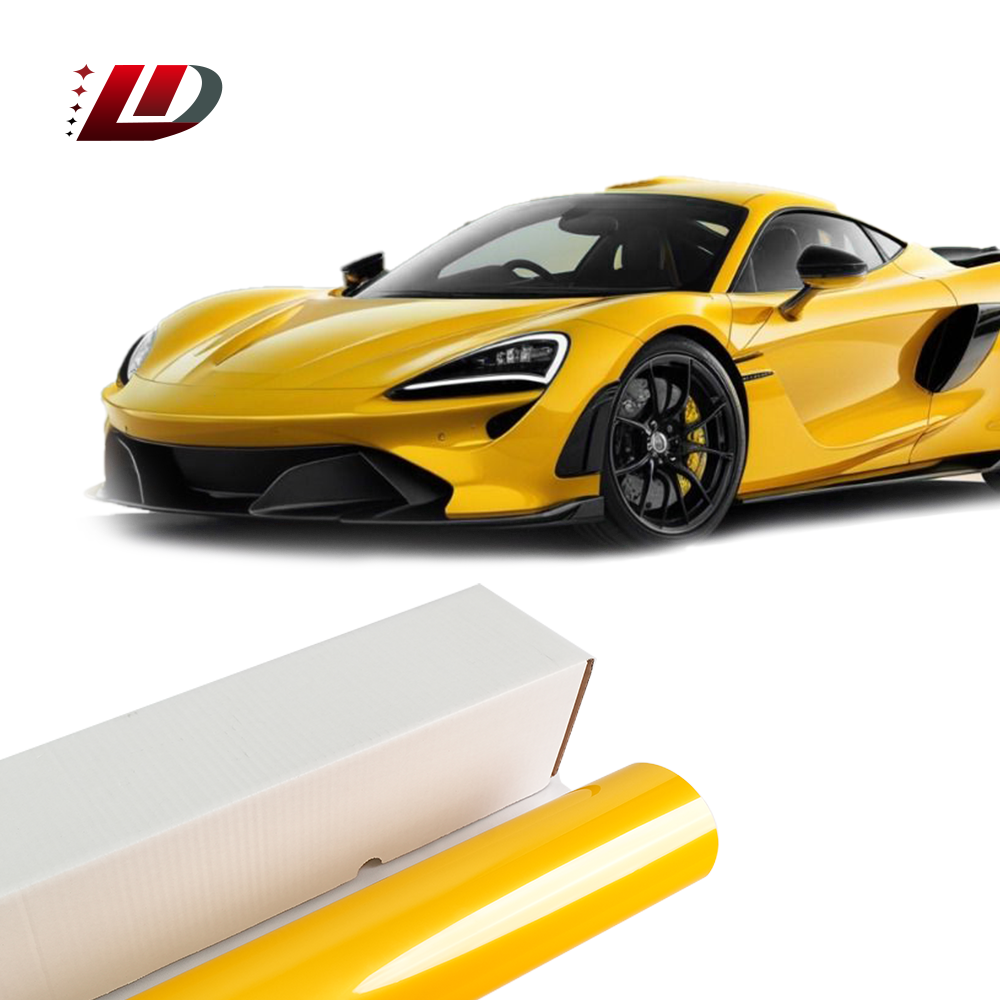
The Technical Reality of Advanced Macromolecular Frameworks
Working within the high-end surface protection and industrial manufacturing landscape for more than a decade teaches you that a rigid protective barrier always fails when applied to complex geometric surfaces. Many global workshop managers buy standard low-grade wrapping products only to realize that the film snaps under heavy tension, while cheap chemical alternatives compromise the edge adhesion during intricate corner installations. True operational efficiency relies on acquiring advanced polymer formulations engineered for extreme elongation and recovery. This is exactly why securing a supply line where specialized Elastic raw material improves TPU film construction flexibility becomes a massive competitive advantage for modern commercial enterprises. By utilizing a highly resilient thermoplastic polyurethane chemistry that can stretch over deep curves without tearing, installation teams eliminate manual installation bottlenecks. This specialized engineering allows detailing departments to secure elite protective boundaries that safeguard vulnerable equipment surfaces without altering original design aesthetics.
Macromolecular Resilience and Variable Calibration Metrics
From a strict polymer science perspective, the long-term structural durability of a protective layer depends heavily on its underlying chemical block copolymers. To fully appreciate how Elastic raw material improves TPU film construction flexibility, production teams must analyze the balance between the hard and soft segments within the polyurethane matrix. The soft elastomeric segments provide the continuous flexibility and self-healing properties, while the hard crystalline blocks deliver excellent puncture resistance and tensile strength. International material testing associations confirm that having an optimized elastomeric base is critical for maintaining optical clarity and structural resilience across different harsh environmental conditions. Sourcing customized roll profiles that feature this advanced chemical calibration ensures that every single square meter delivers the exact level of environmental defense required by your specific target market, preventing premature cracking or weathering under intense solar radiation.
Production Optimization and Electronic Signal Transmittance
A significant practical advantage of deploying premium elastomer layers over traditional rigid plastic alternative coatings is the complete preservation of material longevity and system functionality. In my personal consultations with international automotive styling networks, shop owners frequently complained about cheap generic protective films yellowing rapidly after a few months of intense solar exposure or lifting near deep recesses. Moving to a structured supply framework where Elastic raw material improves TPU film construction flexibility resolves these costly workshop headaches completely. Because high-grade polyurethane compounds are inherently stable against ultraviolet degradation, they maintain pristine optical transparency over extended life cycles. Furthermore, these non-metallic elastomer structures allow wireless data frequencies, sensory signals, and radar waves to pass completely unobstructed, making the material perfect for modern smart vehicles that rely on continuous digital communication.
Practical Field Discoveries and Manufacturing Waste Reduction
I remember directing a massive product development project for a large regional transport equipment supplier that was struggling with high material scrap rates during their protective kit installation phase. Their workshop team was using rigid vinyl coatings and spending hours heating the material to fit curved interior panels, which resulted in a terrible waste of premium material and extensive labor tracking failures. We addressed this systemic operational bottleneck by implementing a specialized program where our Elastic raw material improves TPU film construction flexibility directly on the installation floor. Once the production staff received the highly flexible, perfectly gauged rolls, the results were felt immediately across the facility. The assembly floor recorded a dramatic drop in material scrap, and the factory saved a massive amount of monthly operational budget due to streamlined labor tracking. This practical case study proves that moving to custom-tailored material dimensions cuts out the random guesswork and delivers real economic value.
Supply Chain Excellence and Elite Quality Manufacturing Standards
Securing a permanent competitive edge in the modern industrial protective sector requires a rock-solid manufacturing partner capable of delivering consistent material quality roll after roll. Sourcing cheap, unbranded alternative products typically leads to rapid adhesive peeling, annoying edge lifting, and terrible optical distortion that destroys a workshop's professional reputation among discerning corporate clients. Utilizing a meticulously managed production process where Elastic raw material improves TPU film construction flexibility provides international distributors and service center managers with an exceptionally reliable asset that lowers installation waste and increases daily workshop efficiency. By focusing heavily on strict quality management, premium raw material selection, and wide compatibility across diverse protective applications, LIDA FILM delivers elite protective solutions that empower businesses to handle demanding corporate manufacturing contracts with absolute confidence. Their automated production plants ensure that every single roll meets the exact structural specifications required by top-tier automotive and industrial centers globally.
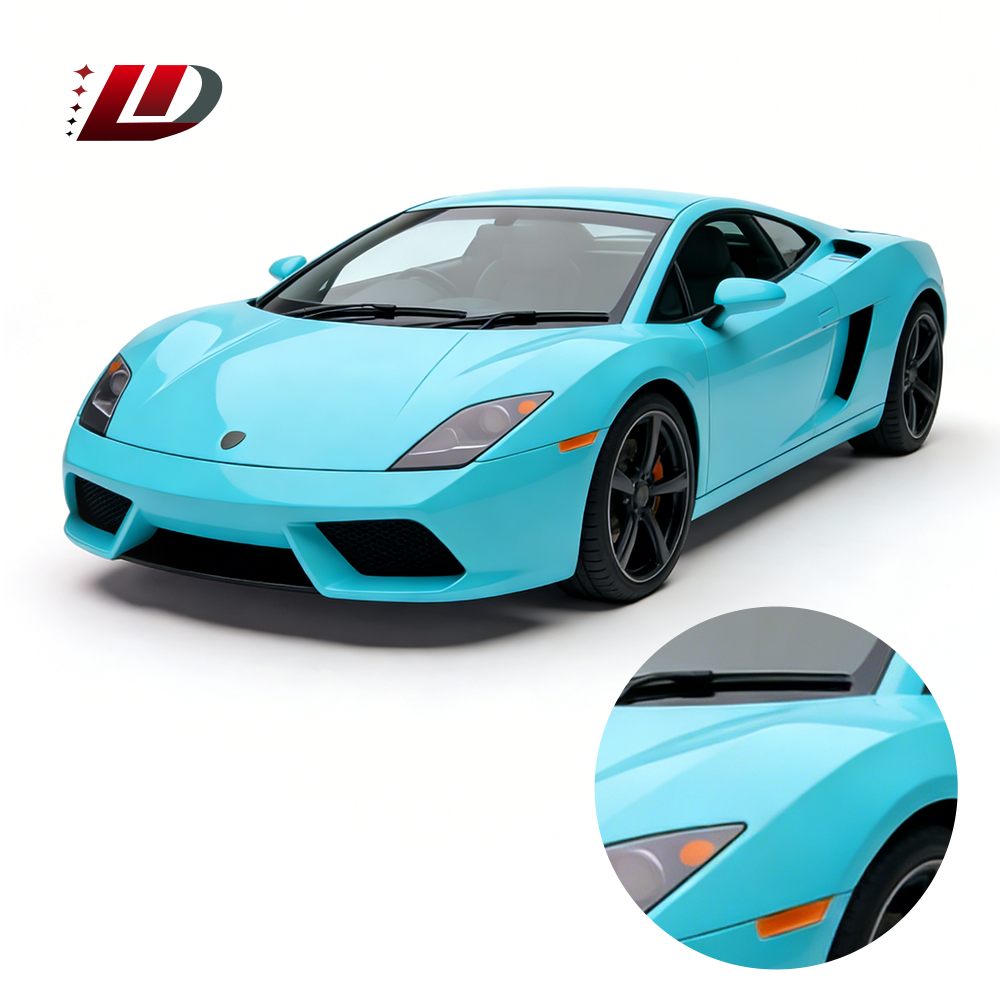
Table of Contents
- The Technical Reality of Advanced Macromolecular Frameworks
- Macromolecular Resilience and Variable Calibration Metrics
- Production Optimization and Electronic Signal Transmittance
- Practical Field Discoveries and Manufacturing Waste Reduction
- Supply Chain Excellence and Elite Quality Manufacturing Standards